Tournament Training Tips for Better Results
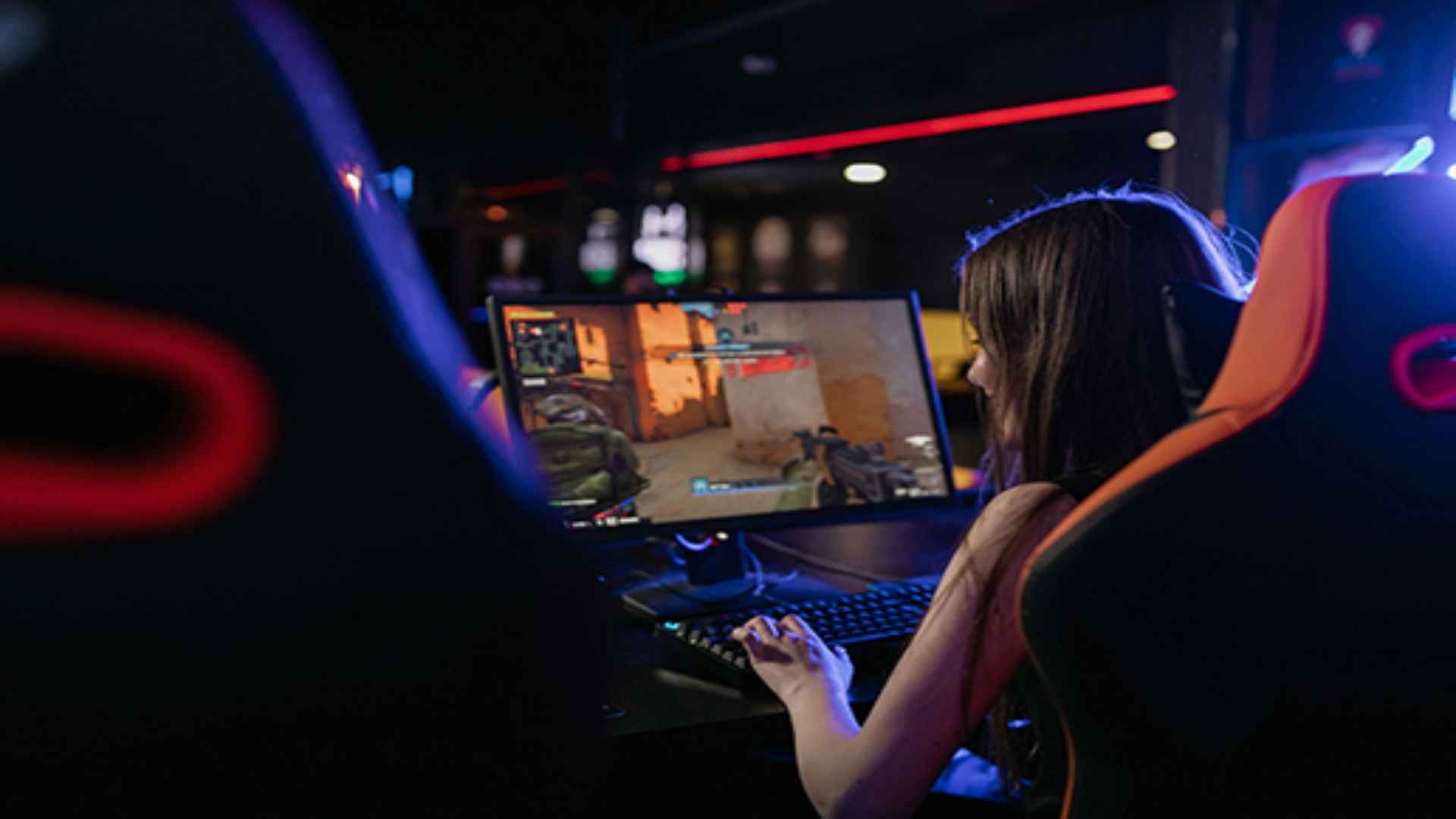
Stepping into a highly competitive tournament environment requires a completely different preparation method than casual, unstructured practice. Developing a specific training routine focused on strategic simulation and micro-goals ensures that competitors can execute their skills flawlessly when under intense stress. By structuring your training phases effectively, you can transform repetitive daily practice into a reliable roadmap for tournament leaderboard dominance.
Setting Clear and Structured Objectives
Many individuals spend countless hours practicing without identifying the specific elements of their gameplay that require technical refinement. True competitive progression relies on establishing clear, measurable targets for every single session rather than simply playing until you feel tired. For instance, focusing entirely on pattern recognition or fast reaction times during a designated hour yields far better results than endless repetition.
To maximize your personal development, isolate your current tactical weaknesses and build specialized drills that force you to work through those exact challenges. This highly focused approach builds deep cognitive muscle memory, allowing you to react intuitively when facing highly professional opponents. Utilizing innovative tools like the m88 link mobile interface during training breaks can also help players analyze diverse competitive layouts and stay connected to live tactical updates.
Simulating Tournament Pressure
Excellent mechanical skills often break down completely when a competitor faces the strict time constraints and psychological strain of an official match. To combat pre-game anxiety effectively, your daily practice environment must mirror the high-stakes atmosphere of the final bracket as closely as possible. Introducing strict countdown timers and tracking your success rates under self-imposed penalties forces your brain to adapt to intense stress.
When you regularly train under difficult and demanding conditions, your personal comfort zone expands and your decision-making processes remain sharp. This behavioral conditioning teaches you how to regulate your adrenaline spikes, preventing the emotional fatigue that often leads to critical operational mistakes. Over time, simulated pressure transforms chaotic competitive moments into standard scenarios that you can confidently navigate with absolute precision.
Analyzing Performance and Adaptability
True personal growth happens long after the final round is finished, when you review your strategic choices with an analytical mindset. Reviewing recorded match footage or tracking structural performance data helps you pinpoint subtle positional errors that might go unnoticed during active play. Identifying these tiny operational gaps prevents repetitive strategic failures and allows you to form better defensive counters for future rounds.
Tournament dynamics change constantly across multiple stages, which means a singular static plan will rarely carry a competitor all the way to a championship victory. Evaluating your past matches teaches you how to shift your tactics fluidly based on the specific behaviors and styles of your opponents. Developing this deep level of situational awareness ensures that you always stay one step ahead of the field throughout the event.
Prioritizing Mental and Physical Stamina
Long-form competitive events are ultimate tests of endurance, demanding sustained focus over many consecutive hours of intense, high-stakes concentration. Physical exhaustion directly impairs cognitive function, resulting in slow recall speeds, blurred perception, and poor emotional discipline during late-stage tournament brackets. Incorporating regular breathing exercises and structured rest intervals into your weekly regimen builds the endurance required for long matches.
A balanced preparation routine treats mental wellness and physical fitness with the same importance as technical training drills. Ensuring your mind is fully rested before entering a major competitive venue gives you a definitive psychological edge over fatigued competitors. By combining tactical mastery with a resilient mind, you establish the perfect foundation for achieving consistent tournament victories over time.