The Hidden Cost Of Greedy Gameplay
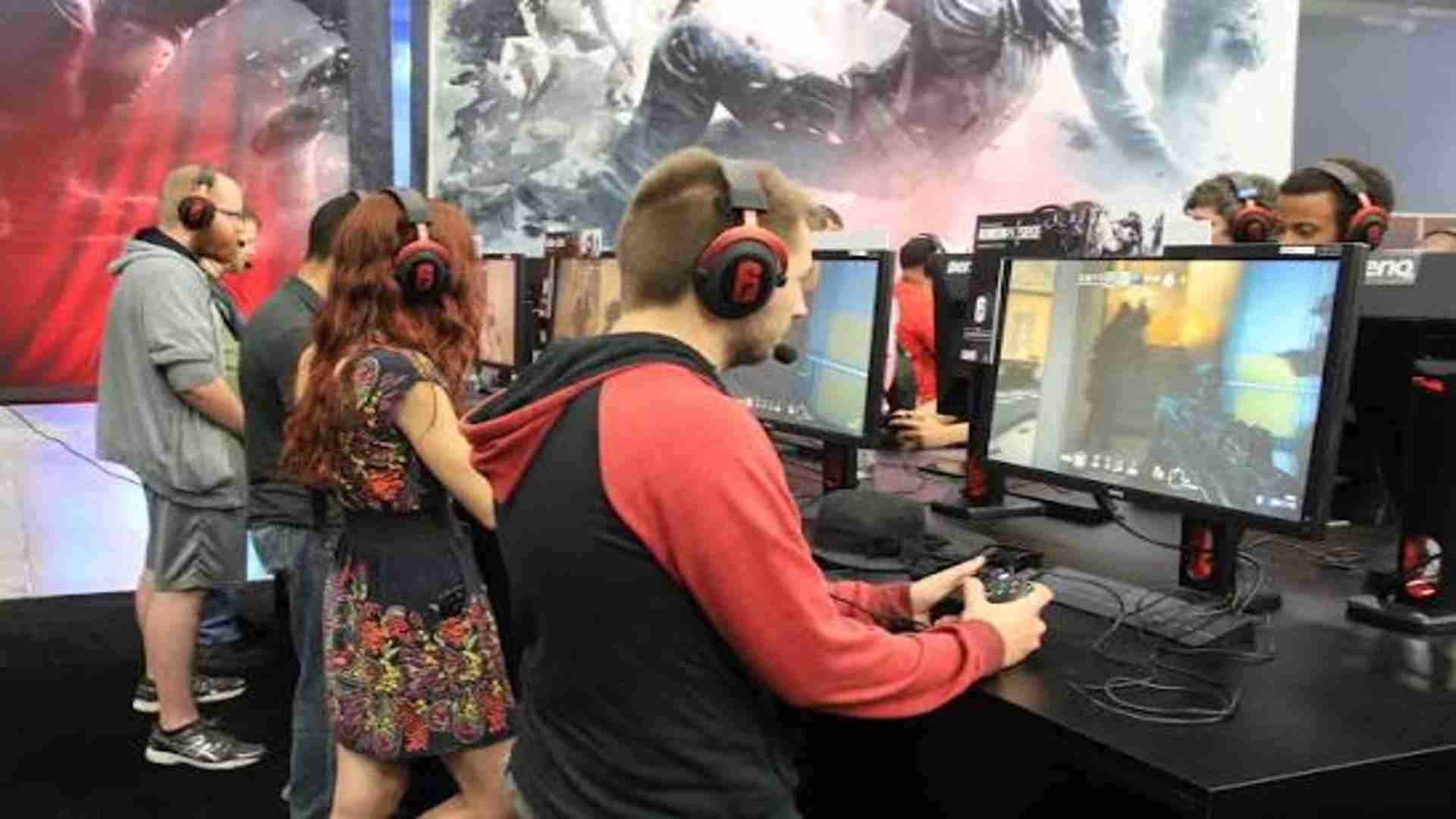
In competitive battle royale games, the desire to maximize individual rewards often clouds a player's strategic judgment. While chasing high elimination counts or hoarding rare items feels satisfying, it frequently compromises the long-term survival of the entire team. Embracing an overly aggressive mindset can quickly turn a promising match into an early trip back to the pre-game lobby.
The Tactical Danger of Resource Hoarding
Many players mistake accumulating excessive ammunition and high-tier attachments for a winning strategy. When an individual spends too much time searching every building for perfect equipment, they lag behind the moving safe zone. This delay forces the squad into frantic, predictable rotations that leave them vulnerable to gatekeeping opponents.
Furthermore, carrying too much offensive gear reduces the available space for essential utility items like smoke grenades and medical supplies. A balanced inventory ensures that the team can recover from unexpected ambushes and cross open fields securely. True battlegrounds mastery requires sharing extra resources freely to maintain overall squad health rather than individual perfection.
The Psychological Strain of Chasing Every Fight
The compulsion to engage in every distant firefight often stems from a short-sighted focus on personal statistics. Overconfident players frequently abandon strong geographical positions just to secure a single extra elimination. This reckless choice exposes their location to third-party attackers waiting nearby for an easy victory.
Sustaining peak mental focus during extended matches becomes difficult when constantly engaging in high-stress combat. Smart teams recognize that selective passivity is a powerful competitive virtue rather than a sign of weakness. Knowing when to look away from a potential target keeps the squad composed for the critical final circles.
How Greed Dissolves Team Synergy
A selfish playstyle quickly creates friction and distrust among teammates during intense multiplayer matches. When one survivor repeatedly rushes ahead to claim the best loot, communication inevitably breaks down. Without unified movement and shared intelligence, a squad cannot effectively coordinate defensive maneuvers.
Overcoming difficult late-game scenarios requires absolute confidence in the person standing next to you. Prioritizing individual performance over the collective strategy makes it nearly impossible to execute successful revives under pressure. Ultimately, the most valuable asset on the battlefield is a cooperative team that functions as a single cohesive unit.
Cultivating Sustainable Strategic Awareness
Transitioning away from a greedy mindset demands a profound shift toward macroscopic tactical thinking. Experienced survivors learn to evaluate their success by the quality of their positioning rather than the size of their kill counter. They view each match as a complex puzzle where survival always takes precedence over immediate gratification.
By prioritizing long-term safety and maintaining inventory efficiency, teams naturally discover more consistent paths to victory. This disciplined approach eliminates the unforced errors that commonly plague amateur squads. Winning consistently is rarely the result of spectacular solo plays, but rather the outcome of calculated patience and shared resources.